The Hold Progression · One bell, one app
Hold it longer. Then go heavier.
The free Hold gave you one exercise and a test. This is the app that runs it with you: every session decided, how long, how many, and the day you have earned a heavier bell. Ten minutes, three times a week, left against right, measured.
One payment. No subscription. Access starts the moment you pay.
Checkout opens at launch. This is the preview.
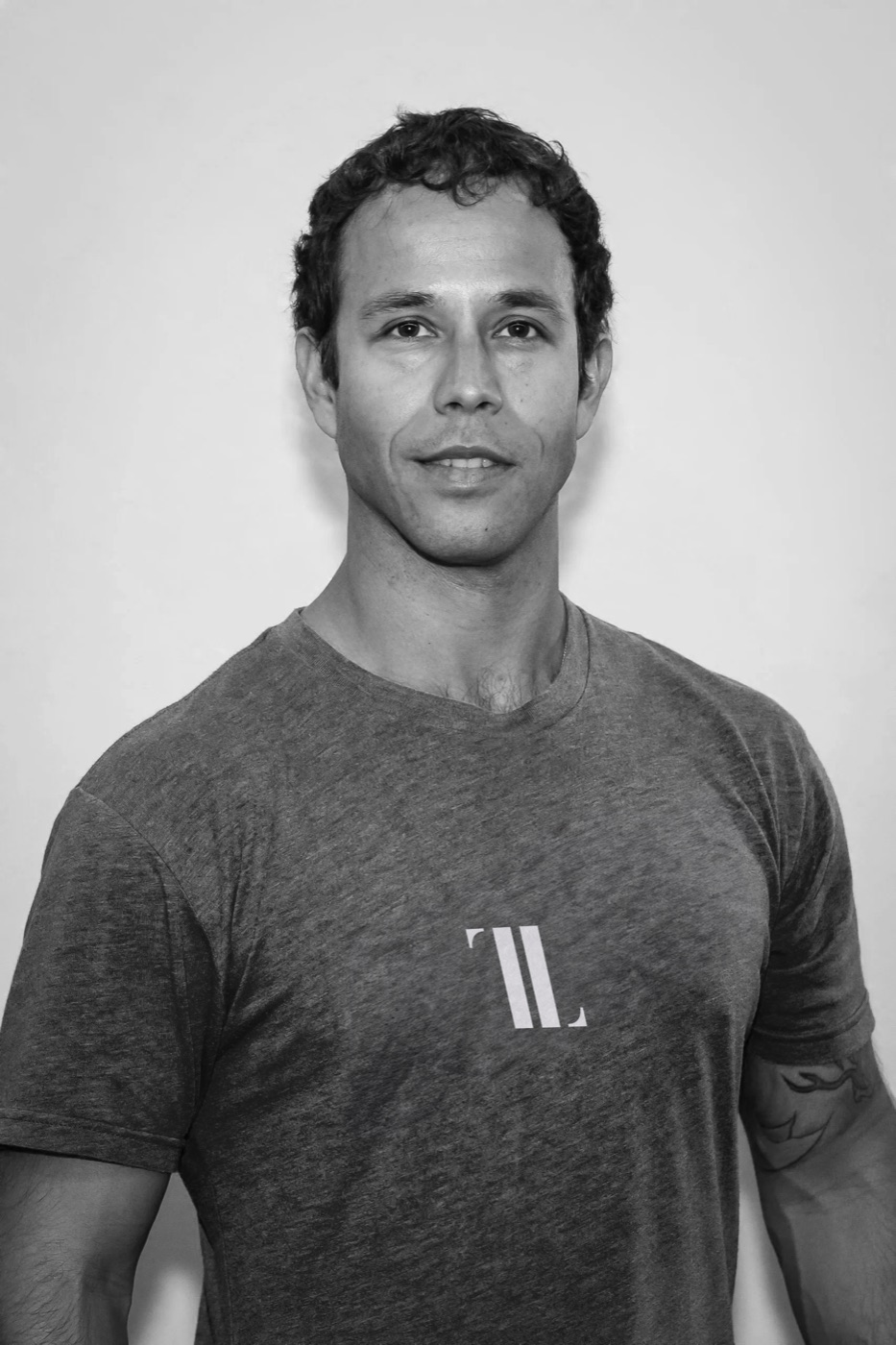
Cassio Oliveira on the Hold Progression.
Most backs go on something light. Held on one side.
The carry-on going into the overhead locker. The shopping out of the boot with a twist. A child on one hip while you find the keys. None of it is heavy, and all of it is one-sided, which is the load almost nobody trains.
The Hold trains exactly that. A bell in one hand tries to fold you toward it, and the other side of your trunk has to hold you straight, for the whole time, while your shoulder blade stays set and your hand carries everything. Stuart McGill measured this in the lab: one-sided loading works the quadratus lumborum and the side wall of the abdomen, the muscles that keep you upright against it.
Your hand matters too. In a Lancet study of almost 140,000 adults, grip strength predicted death from any cause better than blood pressure did. That is an association, and nobody has shown that training grip changes it. I give you both halves.
The Hold trains exactly that load, and it tells you in seconds whether your left is keeping up with your right.

Time costs nothing. A new bell costs money.
So the bell waits until two minutes are clean.
The free guide now carries the same rule as the app: one bell, longer holds, and a heavier bell only after a clean two-minute hold a side. You buy as few bells as you can.
What a PDF cannot do is watch your sessions. The app reads what you log and decides the next one: when you are ready to hold longer, when the two minutes have earned the next bell, and when a bad week means one step back instead of starting over.
Each rung holds longer than the one before. Two clean sessions move you up one. The last rung earns the next bell.
Inside the app
Today’s session. Already decided.
Open it and the session is there: the rounds, the seconds, the bell and the rest. Weak side first. A timer that stops itself at the target, and one tap the moment your form goes.
Two clean sessions move you up a rung. A bad week steps you back one. Nothing ever sends you back to the start.
Today
2 × 45 s
each side, weak side first
This morning: awake between 6:00 and 7:00?
11 of the last 14 mornings
Example screen. Your numbers come from your own test.
What you get
Everything the Hold needs. Nothing it does not.
Today's session, decided.
Sets, seconds, the bell, the rest. Weak side first, and one extra weak-side hold while there is a gap.
A timer that stops itself.
It buzzes at the target. If your form goes first, one tap records the clean seconds.
Logging in a few taps.
Or type the seconds if you used your own clock. Kilos or pounds.
Progress you can read.
Seconds per side each session, the bell at each change, your load as a percentage of your actual body weight, and your history.
Bad weeks handled.
A missed week costs nothing. A long break steps you back a rung. Pain steps you back at once and pauses training if it repeats.
Your data, on every phone.
Sign in on any phone and the history follows. Works offline in the gym. Export it whenever you like.
One habit beside it: your wake time
Each morning, one tap: were you up inside the window you chose? The wake time anchors the whole rhythm, and bedtime follows it. No sleep score, no wearable, no streak to break. If a late night means sleeping in, that is the right call, and the app says so. Sleep comes before the target.
How it runs
From the first test to the next bell.
The safety check and the side plank
Six questions, then left against right on the floor, timed. Your weaker side sets your pathway.
Your first bell, checked in your hand
Suggested from your test and your actual body weight, rounded down. One hold decides if it is right.
Longer holds, then heavier
From 2 × 20 s to one unbroken two-minute hold a side. Then the next bell, and back to 3 × 30.
The unbroken test
One hold each side, start to first failure, up to three minutes. The number that tells you it is working.
Two numbers
Never mixed.
Accumulated
Every clean second in a session, added up per side. It peaks at three minutes a side on the way up.
Unbroken
One hold, from the start to the first lean, shrug, hip hike or slipping grip. Two clean ones earn the next bell.
Measured against your own day one. Nobody else is on the page.
Built to step back. So you never start over.
- Pain right now means not today. The app says so before you begin.
- Heart, blood pressure, pregnancy or recent surgery: a doctor’s clearance first.
- A limited grip or a balance concern starts you lighter, with the regression shown.
- Two short sessions step you back a rung. Pain steps you back at once.
- Pain twice in two weeks pauses training and sends you to a professional.
I will not promise what your body will do.
The Hold is one movement. It does not measure your overall health and it is not a complete program. The levels, the ladder and the standards are my coaching standards from fifteen years of testing people, not research thresholds. My own dose is about a third of my body weight for three minutes each side, and nobody starts there.
You get your numbers on day one and after every session, and you read them yourself.
Who it is for
Founders and executives. Usually 40 and over, men and women.
You have a kettlebell at home, or a loaded bag until you do. You did the free Hold, or you would like to start properly. You have ten minutes, three times a week. You want strength you can use, and a number that is yours.
Who it is not for
- Anyone in pain right now. A professional looks at it first.
- Anyone after a full training program. That is The Method.
- Anyone who wants a promised result. I will show you your numbers, I will not promise them.
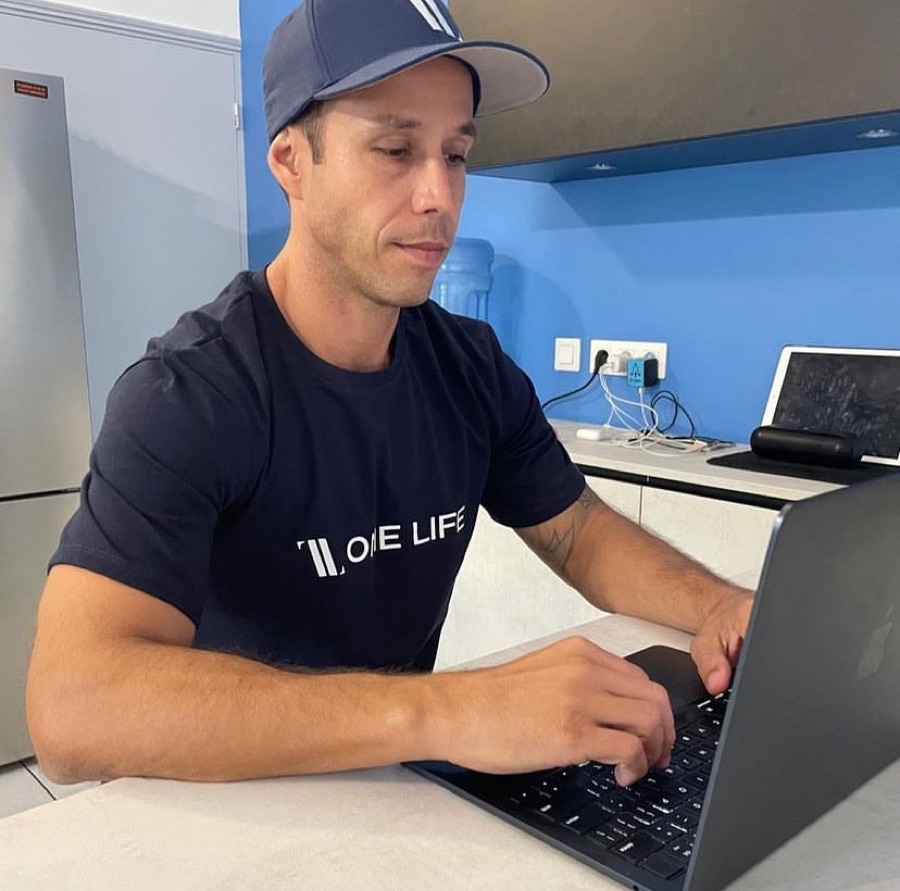
Who built it
Cassio Oliveira
I am a Fractional Chief Health Officer for founders and executives, with fifteen years of work with high performers in more than eight countries. I live in Nouméa and run three businesses of my own.
The Hold is my backup plan. On the busiest weeks I might only manage a walk after meals, but I always find a few minutes a side for it. This app is how I run it with my own clients.
Weak side first. Always.
The price
One payment. Yours to keep using.
One payment, no subscription. Access lasts as long as One Life runs the app. If it is ever retired, at least 90 days' notice and your full history to keep. Questions about using the app are answered by email within two business days. Personal coaching is not included. All sales are final: access starts the moment you pay, so there is no refund, except where the law of your country requires one.
Bought The Method? The Hold Progression is already included. Sign in with the email you paid with. Sign in →
One payment. No subscription. Access starts the moment you pay.
- The safety check and side plank test
- Your starting bell, checked in your hand
- Every session decided: longer holds, then a heavier bell
- The four-weekly unbroken hold test
- Progress and history, left against right
- The daily wake-time check
- English, Portuguese or French, kilos or pounds
Checkout opens at launch. This is the preview.
What people ask before they buy.
Do I need a kettlebell?
One, yes. If you do not own one yet, a loaded backpack held by its top handle works for the first week: weigh it on a bathroom scale and enter that weight. The app tells you which bell to buy and when you have earned the next.
How long does a session take?
Eight to fifteen minutes, three times a week. The setup is most of it.
I am over 60, or a woman, or both. Is it for me?
Yes. The starting point comes from your own side plank and one hold with your own bell, against your actual body weight. Age and sex never set the load. Your test does.
I have an old back or shoulder injury.
The safety check asks. If it is being treated, or you have pain now, get cleared first, then the app starts you lighter. Stop at sharp pain, numbness or tingling, always.
How is this different from the free Hold?
Same rule, same exercise, same test. The guide hands you the rule; the app runs it every session from what you log, steps you back on a bad week, tracks left against right, and tests your unbroken hold every four weeks.
And from The Method?
The Method is the full 90 days across movement, real food, sleep and stress. This is one movement and one habit. If you already bought The Method, the Hold Progression is included: sign in with the email you paid with.
What happens to my data?
It holds what you log, your first name and your email. It is never sold, shared or used for advertising. Export or delete it from the app whenever you want.
How do I get in after paying?
Stripe sends you straight to the app. Create your account with the email you paid with and a passcode, and you are in on any phone.
Ten minutes, three times a week. Weak side first.
One bell you probably already own, your phone, and the next session decided for you. Start tonight.
Checkout opens at launch. This is the preview.